Ohana

Sublets in NYC

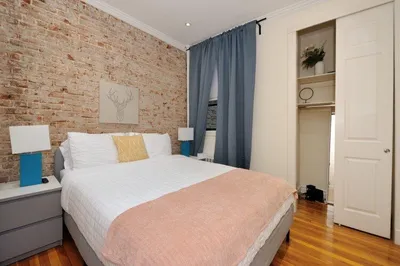
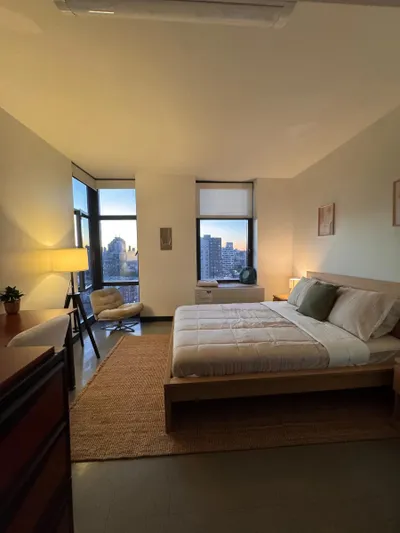
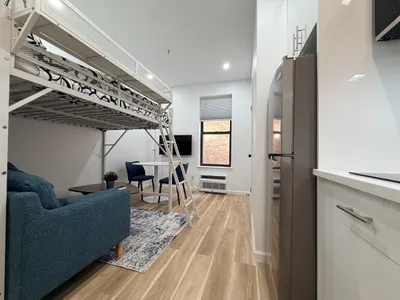
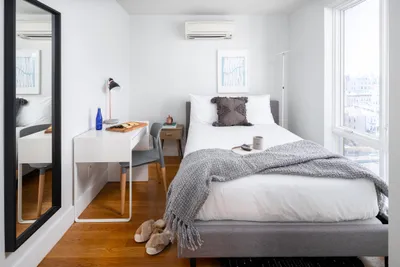
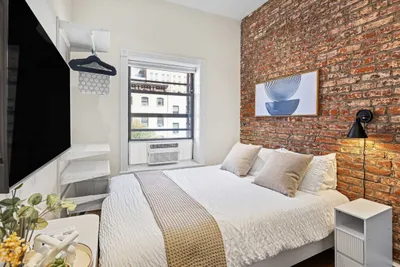
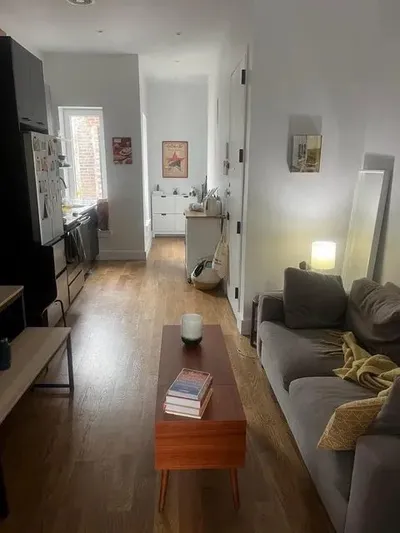
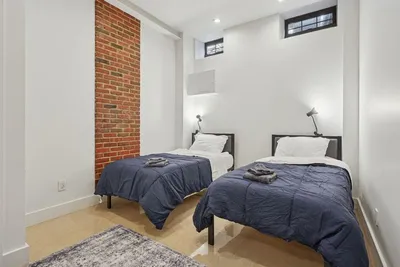
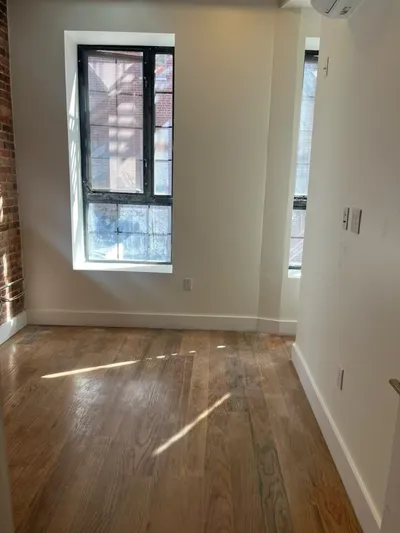
Sublet NYC listings on Ohana include furnished apartments, studios, and rooms across Manhattan, Brooklyn, Queens, and Jersey City, with 1,000+ listings shown. Every NYC stay on Ohana is 30 days or longer with no broker fee. You meet the host on a video call before booking, and hosts aren’t paid until you move in.

The median NYC sublet on Ohana is $2,049 per month across 4,198 active listings, and half rent for $1,600 to $2,900. By unit type, the median is $1,784 for a private room, $3,300 for a studio, $3,850 for a 1-bedroom, and $5,140 for a 2-bedroom.


How subletting works in NYC

How subletting works in NYC

A sublet has three parties: the landlord, who owns the building; the original tenant, who signed the lease (also called the sublessor); and the subtenant, who moves in for a month or more.

The original tenant stays responsible to the landlord for rent and any damage. They’re usually away for an internship, a semester, travel, or a temporary move, and subletting lets them keep their lease without paying for an empty apartment.

For the subtenant, that means a real furnished apartment, or a private room in a shared one, that’s already set up, with Wi-Fi and utilities running, no broker fee, and no year-long lease. On Ohana, the largest subleasing community in NYC, every booking has a sublease agreement covering dates, rent schedule, deposit, and house rules, and the host isn’t paid until you move in.

Yes, subletting is legal in NYC when it meets four rules: a 30-day minimum stay, the landlord’s written consent in buildings with four or more units, the rent-stabilized limits of two years in four plus a 10% furnished surcharge, and the building rules for co-ops, condos, and NYCHA. Every NYC stay on Ohana is at least 30 days.

These rules cover New York City; Jersey City is in New Jersey and has its own rules. The full rules are in our guide to subletting laws and regulations in New York.

  1. 30-day minimum stay (Multiple Dwelling Law and Local Law 18)

    Under the Multiple Dwelling Law (opens in a new tab), most NYC apartments can’t be rented for fewer than 30 days unless the permanent tenant stays in the home during the stay. Local Law 18 (opens in a new tab) requires anyone hosting those shorter stays to register with the city. Every NYC stay on Ohana is at least 30 days.

  2. Landlord consent (Real Property Law §226-b)

    In buildings with four or more units, Real Property Law §226-b (opens in a new tab) gives tenants the right to sublet with the landlord’s written consent, which the landlord can’t unreasonably withhold. The tenant asks by certified mail. If the landlord doesn’t answer within 30 days of the request being mailed, or of any extra information they asked for, consent is deemed granted.

  3. Rent-stabilized apartments: two years in four, plus a 10% furnished surcharge

    A rent-stabilized (opens in a new tab) tenant can sublet for no more than two years in any four-year period, must keep the apartment as their primary residence, and can charge at most the legal regulated rent, plus 10% if the apartment is furnished.

  4. Co-ops, condos, and NYCHA

    Co-op and condo apartments follow the building’s proprietary lease or bylaws, which often require a board application, approval, and a fee. NYCHA (opens in a new tab) leases don’t allow subletting.

How to find a sublet in New York City

Before you send money or sign anything, check these four things. On Ohana, the last two are part of every booking.

  1. Check what kind of building it is

    In a rental building with four or more units, §226-b (opens in a new tab) gives the tenant the right to sublet with the landlord’s consent. In a co-op or condo, the board may need to review and approve you first. NYCHA apartments can’t be sublet.

  2. Confirm the tenant is allowed to sublet

    Ask to see the landlord’s written consent, or the board’s approval, for your dates. Without it, the sublet can fall apart after you move in.

  3. See the apartment live

    Tour it in person or on a live video call before you send money or personal documents. A host who can’t show the place live is a common sign of a scam.

  4. Put the sublease in writing

    Get a written sublease with your dates, rent and payment schedule, deposit terms, which utilities are included, and when the host gets paid. On Ohana, the sublease is drafted for you, and the host isn’t paid until you move in.

How to sublet your NYC apartment

If you’re leaving for a semester, an internship, or a stretch of travel, subletting lets you keep your lease without paying for an empty apartment. It’s also the simplest way to break a lease in NYC: sublet for the rest of the term instead of paying a lease-break fee.

  1. Read your lease

    Find the sublet clause, and check whether your building is a co-op, condo, rent-stabilized, or NYCHA, since each has its own rules.

  2. Ask your landlord in writing

    Under §226-b (opens in a new tab), send the request by certified mail with the sublet term, the subtenant’s name and addresses, your reason for subletting, your address during the sublet, and a copy of the proposed sublease. The landlord has 30 days to respond.

  3. Set a fair rent

    Market-rate apartments have no cap. Rent-stabilized (opens in a new tab) tenants can charge at most the legal regulated rent, plus 10% if the apartment is furnished.

  4. List on Ohana

    Ohana is the largest subleasing community in NYC and has helped hosts earn more than $45 million in rent. Guests meet you on an intro call with a virtual tour, and Ohana handles payment, the security deposit, and the sublease agreement.

  5. Remember the lease is still yours

    You stay responsible to your landlord during the sublet, so keep every term in writing.

Best websites and apps for NYC sublets

The main websites for NYC sublets are Ohana, Leasebreak, Listings Project, Furnished Finder, and Facebook groups and Craigslist. Ohana is the only one in this comparison with a video-call tour before booking, no broker fee, and rent held until you move in. Here’s how they compare.

PlatformVetting and safetyBroker feePayment protectionBest for
OhanaVideo-call tour with the host before you book, plus ID verificationNoneRent is held until you move in, and every booking has a subleaseFurnished sublets and rooms for students, interns, and new hires
LeasebreakListings posted by tenants, landlords, and brokersVariesYou pay the lister directlyShort-term rentals and lease takeovers
Listings ProjectWeekly email list of listings reviewed before they’re sentVariesYou pay the lister directlyArtists and creatives
Furnished FinderFurnished rentals listed by landlordsVariesYou pay the landlord directlyTravel nurses and other monthly stays
Craigslist and open Facebook groupsAnyone can post, so listings aren’t verifiedVariesYou pay the poster directlyThe most posts, if you can screen for scams yourself

Besides searching on Ohana, most NYC sublets and rooms for rent are posted in Facebook groups and Instagram communities. These are the largest sublet groups in New York City, and Ohana runs or partners with every one of them. Together they reach more than 710,000 members and followers, which is what makes Ohana the largest subleasing community in NYC.

When you post in a group, include your dates, budget, preferred neighborhoods, and whether you want a room or a whole apartment. Before paying anyone you met in a group, read how to sublet safely below.

We compared them in the best websites for NYC sublets.

How to sublet safely in NYC

The safest way to sublet in NYC is to book through a platform that shows you the place, protects your money, and puts the deal in writing. That’s why employers like OpenAI, Morgan Stanley, Palantir Technologies, Plaid, Rivian, and Snap Inc. trust Ohana to help their interns and new hires find housing.

  • OpenAI
  • Morgan Stanley
  • Palantir Technologies
  • Plaid
  • Rivian
  • Snap Inc.
  • See the place before you reserve. Ohana sets up a video call so you can see the apartment and talk to the host before you book.
  • Your rent isn’t released until you move in. Ohana processes rent payments and holds them until after you’ve moved in.
  • A sublease contract for every booking. Ohana drafts a sublease agreement covering dates, rent, the deposit, and house rules, so both sides are held to what they agreed.
  • Help if something goes wrong. If you need a new place at the last minute or can’t get into your unit, Ohana’s team steps in to help.

How to spot a sublet scam

Most NYC sublet scams follow the same patterns:

  • The rent is far below market. Compare it with the NYC median rents on this page.
  • You can’t see the apartment. A real host will show it in person or on a live video call.
  • They want a wire, Zelle, or crypto up front. Money sent outside a platform usually can’t be recovered.
  • The address doesn’t check out. Look the building up on ACRIS (opens in a new tab), the city’s free property records site.

More red flags: how to spot a sublet scam.

When to look for a NYC sublet

Start four to eight weeks before your move-in date, and earlier for summer.

  • Summer (June to August) is the busiest season for summer sublets in NYC, with interns and students all looking for 2-month and 3-month sublets on the same dates. Start in March or April.
  • Fall (September) follows the academic calendar, as students and new grads move in and out and look for semester-long student housing. Start in July.
  • January brings another wave of semester and job-start moves, and the most 6-month sublets. Start in November.

Sublet NYC questions

Where can I find furnished short-term rentals in NYC?

On Ohana, the largest subleasing community in NYC. Because the city restricts stays under 30 days, most furnished short-term rentals in New York City are sublets and monthly rentals of a month or more. Ohana lists furnished apartments, studios, and rooms for rent across Manhattan, Brooklyn, Queens, and Jersey City for stays from one month to a year, with no broker fee. You meet the host on a video call before booking, and the host isn’t paid until you move in.

What are the best sublet websites in NYC?

The main options are Ohana, Leasebreak, Listings Project, Furnished Finder, and NYC sublet groups on Facebook and Instagram.
  • Ohana is the largest subleasing community in NYC, built on groups like Girls Who Sublet, Artists Who Sublet, sublets.nyc, NYU Subletting, and Columbia Subletting. Every booking includes a video-call tour, protected rent payments, and a sublease agreement.
  • Leasebreak focuses on short-term listings and lease takeovers from tenants leaving early.
  • Listings Project is a weekly email list popular with artists and creatives.
  • Furnished Finder started with travel nurses and mostly lists furnished monthly rentals.
  • Facebook groups have the most posts, but you pay the poster directly, so check for scams before you send money.

Can I rent a room in NYC instead of a whole apartment?

Yes. Many NYC sublets on Ohana are private rooms in shared apartments: you sublet one furnished bedroom from a current tenant and share the kitchen and living space with their roommates. A room for rent is usually the most affordable way to live in Manhattan or Brooklyn for a few months.
See more questions

Average cost of a sublet in NYC by unit type

As of November 2026, the median New York City sublet on Ohana is $2,049/month across 4,198 active listings. Half rent for between $1,600 and $2,900. By unit type, the median is $1,784 for a private room, $3,300 for a studio, $3,850 for a 1-bedroom, and $5,140 for a 2-bedroom.

Monthly sublet rent, typical stay, and broker fee in New York City by unit type, November 2026
Unit typeMedian monthly rentTypical rangeTypical stayBroker feeActive listings
Private room$1,784/mo$1,512 – $2,1801–3 monthsNone3,047
Studio$3,300/mo$2,880 – $3,7961–3 monthsNone407
1-bedroom$3,850/mo$3,276 – $4,5271–3 monthsNone490
2-bedroom$5,140/mo$3,900 – $6,0501–3 monthsNone188
All sublets on Ohana$2,049/mo$1,600 – $2,9001–3 monthsNone4,198

Base monthly rent across 4,198 active Ohana listings, before Ohana’s service fee. The typical range is the middle half of listings, from the 25th to the 75th percentile. Typical stay is the middle half of 6,520 stays booked on Ohana in the last two years. Updated November 2026.

Private room rent by New York City neighborhood

Median private room rent by neighborhood in New York City, November 2026
NeighborhoodMedian private room rentPrivate rooms
Bed-Stuy$1,400/mo255
Upper Manhattan$1,516/mo238
Manhattan Valley$1,784/mo198
Upper East Side$1,704/mo171
Harlem$1,520/mo164
Williamsburg$2,180/mo164
Hell’s Kitchen$2,300/mo157
East Village$2,450/mo148
Crown Heights$1,432/mo136
Bushwick$1,650/mo134
West Bushwick$1,750/mo130
Ridgewood$1,352/mo104

The 12 New York City neighborhoods with the most private rooms on Ohana, by base monthly rent before Ohana’s service fee.

  • No broker fee. You rent directly from the current tenant, so there’s no broker fee and no year-long lease.

  • Utilities included in 72% of stays. Of New York City sublets booked on Ohana in the last two years, 72% included utilities in the rent, and the sublease spells out which ones.

Frequently asked questions about New York City sublets

As of November 2026, the median New York City sublet on Ohana is $2,049/month across 4,198 active listings. Half rent for between $1,600 and $2,900. By unit type, the median is $1,784 for a private room, $3,300 for a studio, $3,850 for a 1-bedroom, and $5,140 for a 2-bedroom.

Most students and interns sublet from other students. Summer is the peak, when NYU, Columbia, Parsons, and FIT students leave town just as interns arrive. Ohana partners with NYU Subletting, Columbia Subletting, Parsons Sublets, FIT Sublets, Fordham Sublets, and Pratt Sublets, so you can find furnished student housing and intern housing near campus or your office, often for less than a dorm. Employers like OpenAI, Morgan Stanley, and Palantir trust Ohana to help their interns find housing.

Usually not. Under the Multiple Dwelling Law, most NYC apartments can’t be rented for fewer than 30 days unless the permanent tenant stays in the home, and Local Law 18 requires hosts of shorter stays to register with the city. That’s why most furnished short-term rentals in NYC are really sublets or monthly rentals of a month or more. Every NYC stay on Ohana is at least 30 days, which makes it a good fit for interns, new hires, and people relocating.

Yes. NYC sublets usually run from one month to a year, and the 30-day minimum makes one month the shortest legal stay in most buildings. Summer sublets (June to August), 2-month and 3-month sublets for internships, and 6-month sublets for a semester are the most common on Ohana. Set your move-in and move-out dates in search to see places available for your exact stay, and start looking in March or April for summer.

Yes, with your landlord’s involvement. In a lease takeover (a lease assignment), you take over the rest of the original tenant’s lease and deal with the landlord directly. In a sublet, the original tenant stays on the lease. Under Real Property Law §226-b, a landlord can refuse an assignment, but if they refuse without good reason the tenant can be released from the lease. If you need to break your lease, subletting for the rest of the term is often cheaper than a lease-break fee, and many tenants on Ohana are doing exactly that.

For long-term, income-restricted apartments, apply through NYC Housing Connect, the city’s affordable housing lottery. For a stay of a few months, a room for rent or a sublet is usually the most affordable way to live in NYC: a private furnished room in a shared apartment often costs far less than a studio, with no broker fee and no furniture to buy. See the NYC median rents on this page for current prices by unit type.

Coliving can be convenient, but NYC coliving companies often charge a premium for a furnished room. Subletting a private room in a shared apartment gets you the same setup, furnished with roommates already in place, often for less. On Ohana you meet the host, and often your future roommates, on a video call before you book, which makes it a simple roommate finder for NYC too.
Never pay before you’ve seen the apartment live, don’t wire money or pay outside a platform, and book somewhere that protects your payment. To confirm the address is real, look the building up on ACRIS, the city’s free property records site. On Ohana:
  • An intro call with a virtual tour, so you meet the host and see the apartment live before booking.
  • You pay through Ohana, and the host isn’t paid until you move in and confirm check-in.
  • Ohana holds the security deposit and refunds it within 7 days of move-out when there are no claims.
  • ID verification, plus optional LinkedIn or Instagram connections on profiles.

No. Sublets are arranged directly between the current tenant and the subtenant, so there’s no broker fee. On Ohana you message hosts directly, meet them on an intro call with a virtual tour, and book through the platform.

Yes, with limits. Under New York’s rent stabilization rules, the tenant must keep the apartment as their primary residence and plan to return, can sublet for no more than two years in any four-year period, and can charge at most the legal regulated rent plus 10% if the apartment is furnished. The tenant also needs the landlord’s written consent.

Usually, yes. In buildings with four or more units, Real Property Law §226-b lets tenants sublet with the landlord’s written consent, which the landlord can’t unreasonably withhold. Send the request by certified mail. If the landlord doesn’t answer within 30 days, consent is deemed granted. Co-ops and condos need board approval under their own rules, rent-stabilized tenants can sublet for up to two years in any four, and NYCHA apartments can’t be sublet.

There’s no practical difference. New Yorkers use “sublet” and “sublease” interchangeably, and both mean renting a place from the current tenant instead of signing a new lease with the landlord. On Ohana, every booking is documented with a lease or sublease agreement covering dates, rent schedule, deposit, and house rules.

It depends on what you want nearby.
  • Manhattan sublets: the Upper East Side is calmer and close to Midtown, and the East Village is lively and walkable.
  • Brooklyn sublets: Williamsburg is known for food and nightlife with a quick ride into Manhattan, and rooms for rent in Brooklyn are often cheaper than in Manhattan.
  • Queens: Long Island City has newer buildings about 10 minutes from Midtown.
  • Jersey City: a good value about 15 minutes from FiDi.

A sublet usually gives you the same flexibility for much less. Airbnb, Blueground, and corporate housing in NYC often run around $6,000 a month and can reach $12,000, while most sublets on Ohana cost a fraction of that. Sublets also follow lease-style terms with NYC’s 30-day minimum, so you live in a real apartment rather than a hotel-style rental.

A sublease often gets you more space and independence for less. NYC dorms are often a shared room with a twin bed and can run around $3,000 a month, while a private furnished bedroom in a real apartment is often closer to $2,000, depending on neighborhood and season. Most Ohana places are move-in ready, with furniture and utilities set up, and you can pick a neighborhood that fits your schedule rather than whatever is closest to campus.